Ajanta Caves Buddhist Rock-Cut Architecture UNESCO World Heritage Site Aurangabad India
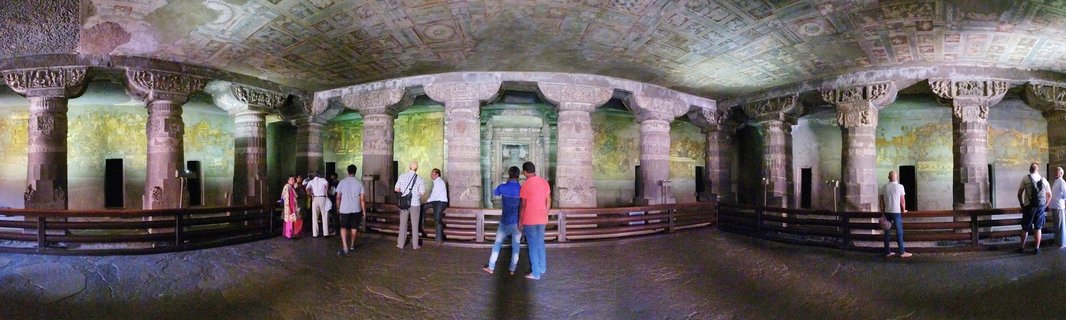
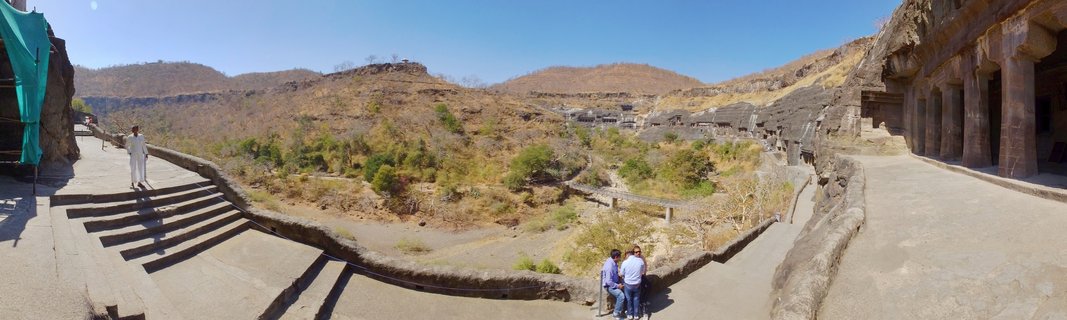
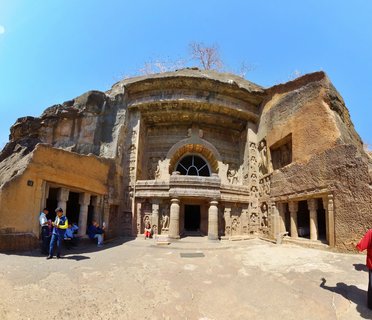
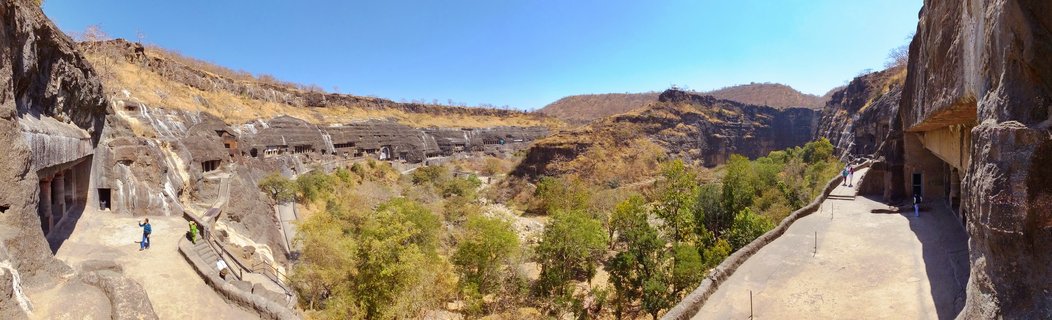
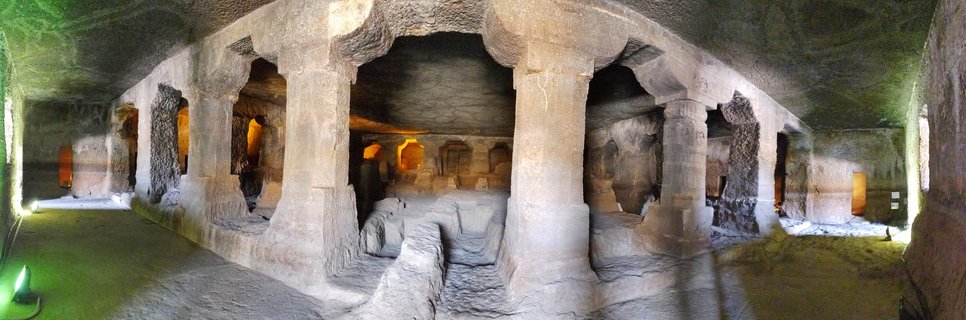
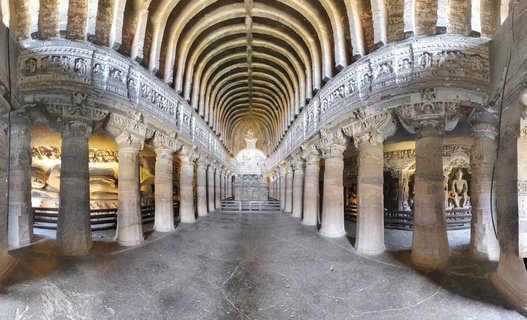
The Ajanta Caves, a UNESCO World Heritage Site near Aurangabad, India, showcase ancient Buddhist rock-cut architecture dating from 2nd century BCE to 6th century CE, featuring intricate carvings and chaitya prayer halls carved into volcanic basalt cliffs.
Read more about this photo
The Ajanta Caves represent one of humanity's most extraordinary achievements in rock-cut architecture. Buddhist monks carved these magnificent prayer halls and monasteries directly into the face of a horseshoe-shaped volcanic cliff over nearly 800 years.
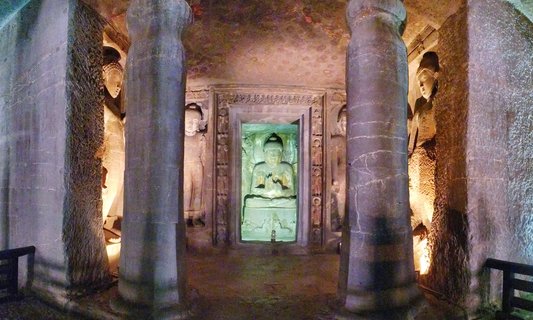
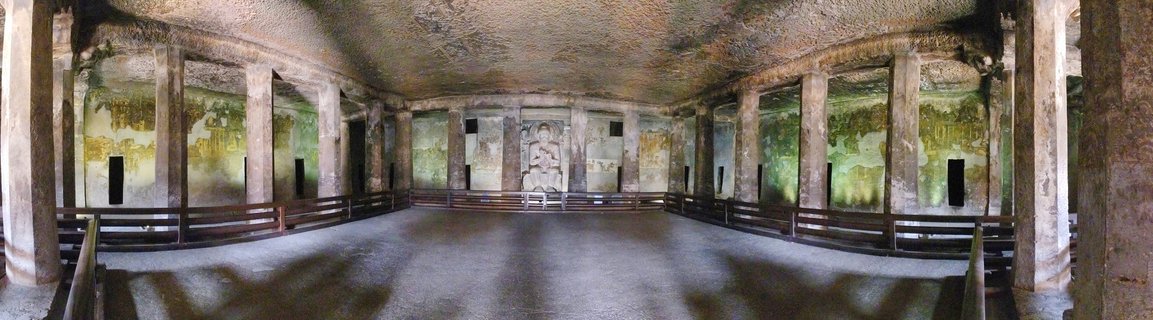
Each cave contains intricate sculptures, frescoes, and architectural details that tell stories of Buddhist teachings and ancient Indian civilization. The distinctive arched chaitya windows allowed natural light to illuminate the sacred interiors.
Today, these caves stand as a testament to India's rich cultural heritage and continue to draw visitors from around the world seeking to understand the spiritual and artistic legacy of ancient Buddhism.
Spot a mistake or location error? Let us know!
Photos from the day