Galle Fort Ramparts and Coastal Defenses, UNESCO World Heritage Site, Sri Lanka
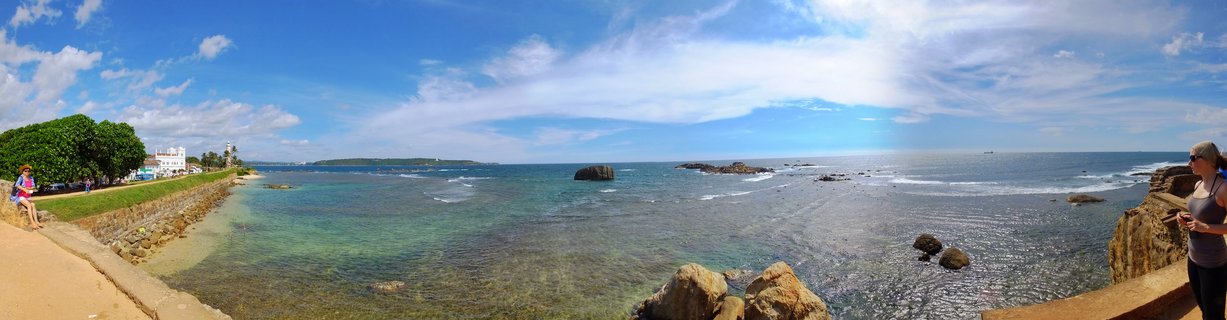
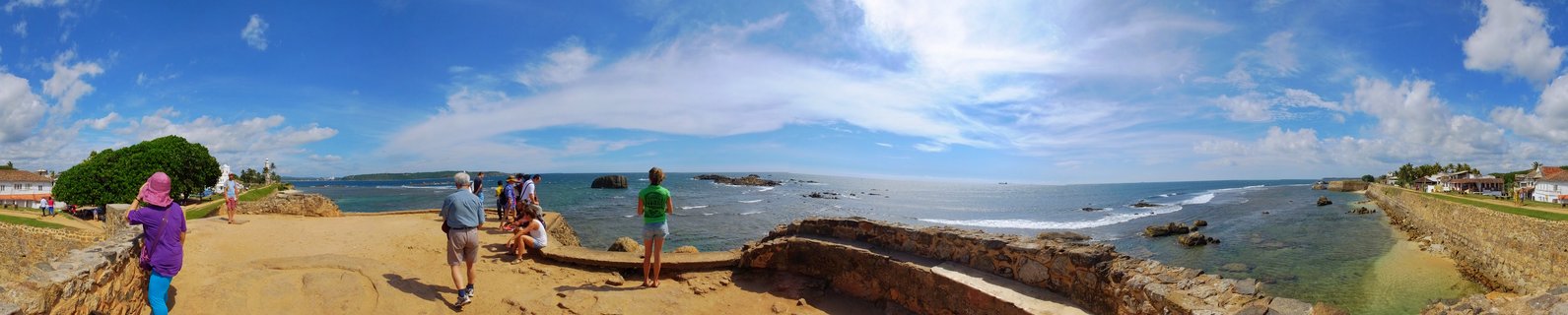
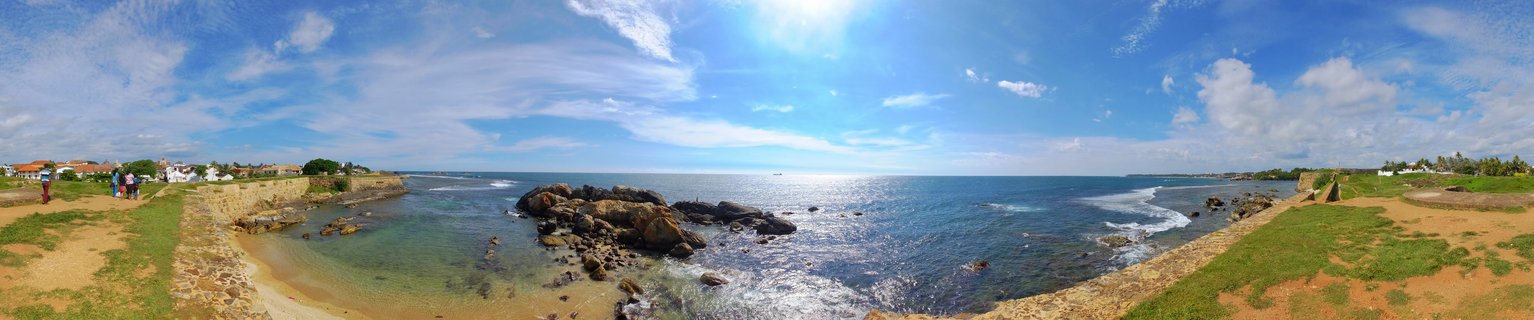
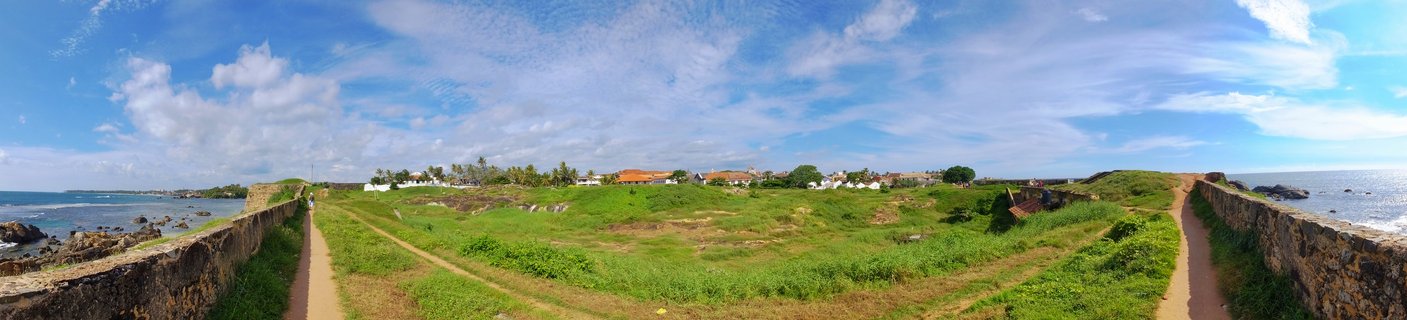
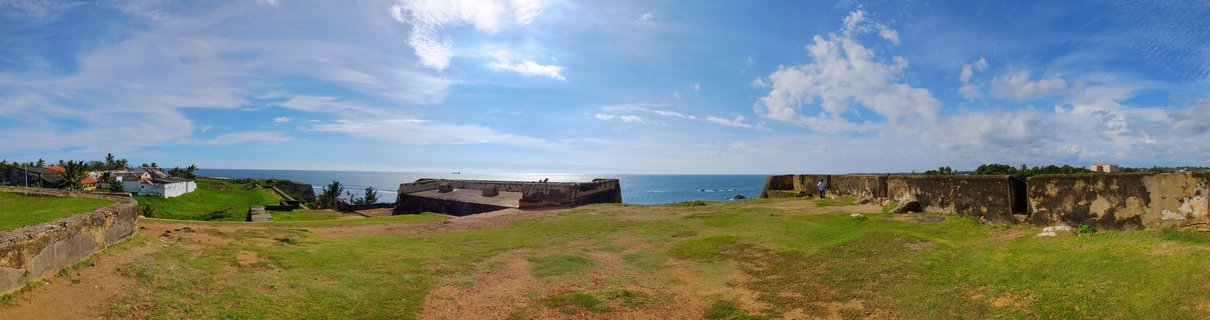
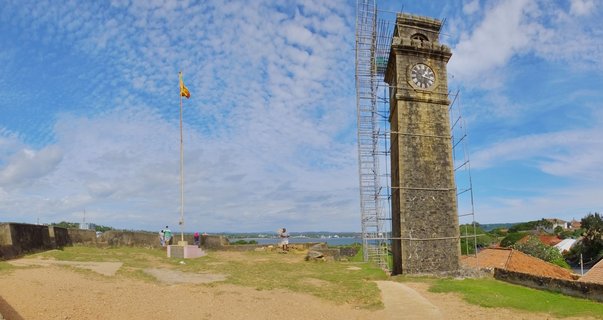
The historic stone ramparts of Galle Fort, a 16th-century Portuguese fortification expanded by the Dutch, overlooking the Indian Ocean coastline in Galle, Sri Lanka. The UNESCO World Heritage Site features grass-covered defensive walls and colonial architecture.
Read more about this photo
Galle Fort stands as one of Asia's best-preserved colonial fortresses, its weathered stone ramparts bearing witness to over 400 years of European colonial history in Sri Lanka. Built by the Portuguese in 1588 and extensively fortified by the Dutch in the 17th century, the fortification system showcases ingenious military architecture designed to withstand both enemy attacks and the harsh coastal elements.
The grass-covered bastions and curtain walls create a striking contrast against the deep blue waters of the Indian Ocean, while red-tiled colonial buildings and palm trees dot the landscape within the fort's perimeter. Visitors walk along the same pathways that Dutch soldiers once patrolled, experiencing living history at this UNESCO World Heritage Site.
Today, Galle Fort remains a functioning town where Sri Lankan life continues within the historic walls, blending colonial heritage with contemporary culture. The fortifications offer panoramic views of the coastline and serve as a testament to the strategic importance of this natural harbor in the maritime trade routes of the Indian Ocean.
Spot a mistake or location error? Let us know!
Photos from the day