Moai Statues at Ahu Tongariki Archaeological Site, Easter Island, Chile
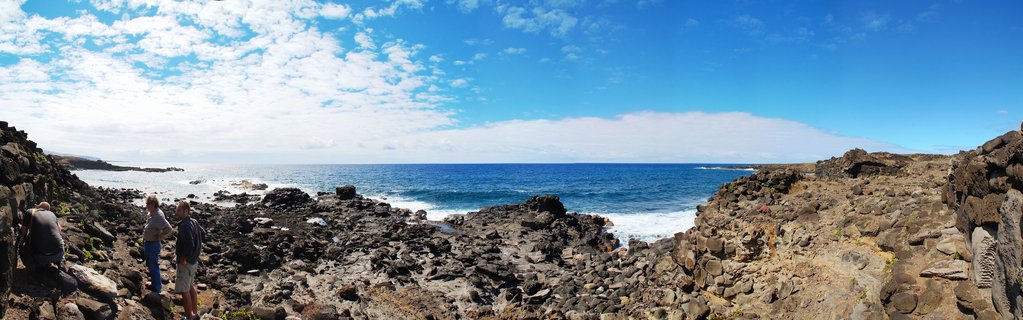
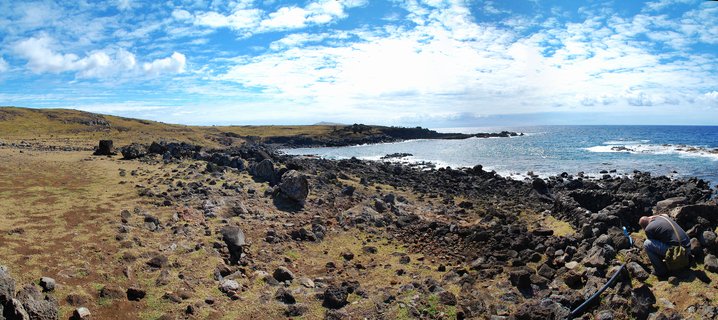
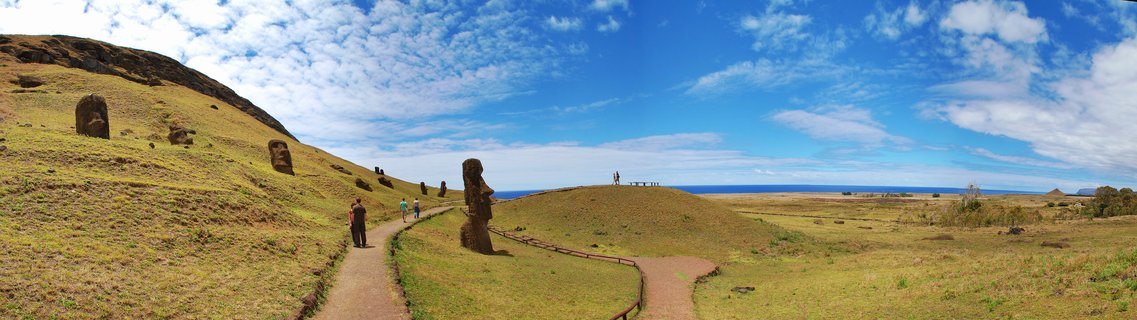
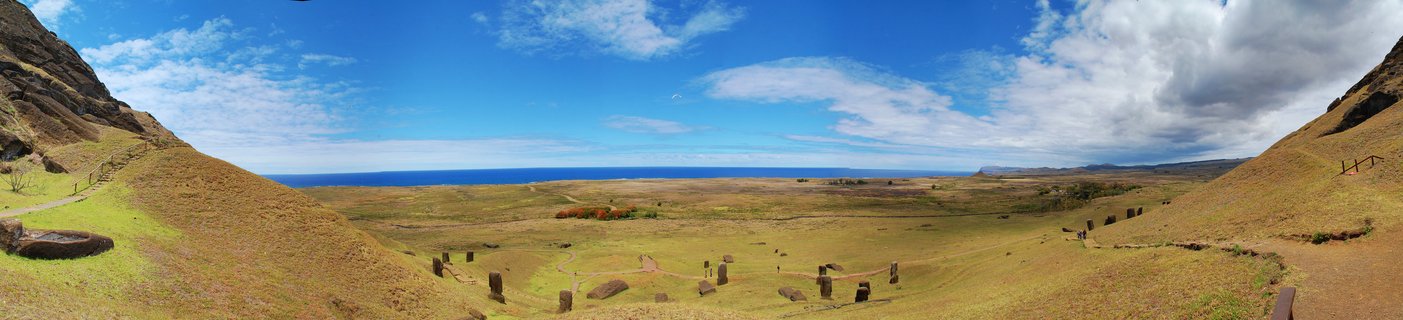
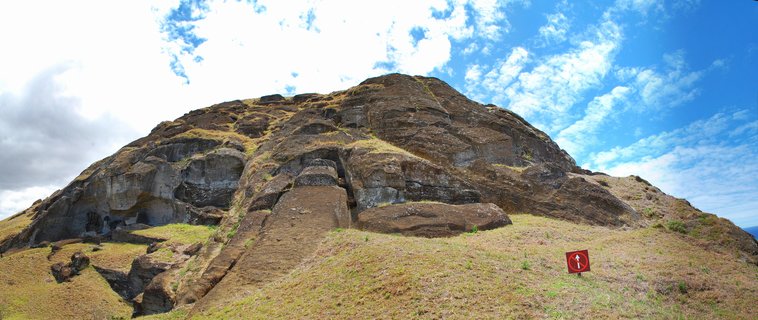
A panoramic view of the iconic Moai statues at Easter Island's Ahu Tongariki archaeological site, with visitors exploring the UNESCO World Heritage location on Chile's remote Pacific island.
Read more about this photo
The monolithic Moai statues stand as silent sentinels across the volcanic landscape of Easter Island (Rapa Nui), their weathered stone faces gazing toward the endless Pacific Ocean. These ancient monuments, carved by the Rapa Nui people between 1250 and 1500 CE, represent one of humanity's most remarkable achievements in stone sculpture and engineering.
Visitors walk among the archaeological remains, dwarfed by the scale of these ancestral figures that once watched over the island's clans. The site showcases both a solitary Moai in the foreground and the famous fifteen-statue platform of Ahu Tongariki in the distance, making it the largest ahu complex on the island.
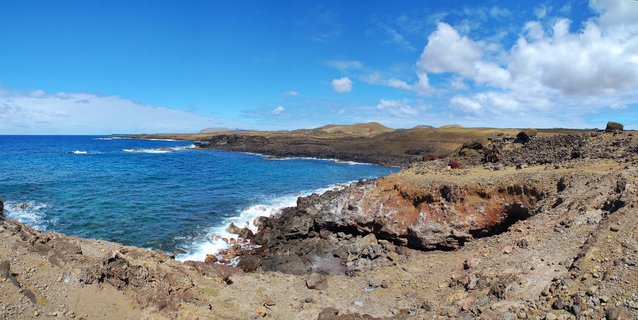
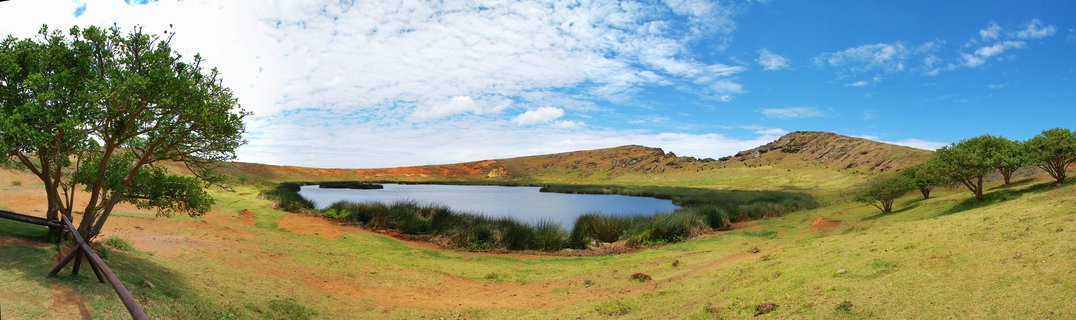
The dramatic landscape combines rolling green hills, ancient stone walls, and the deep blue Pacific waters that isolate this Chilean territory over 3,500 kilometers from South America. This UNESCO World Heritage Site continues to captivate travelers seeking connection with one of Earth's most remote and mysterious civilizations.
Spot a mistake or location error? Let us know!
Photos from the day